


Custom Hot Gas Reheat Coils.
Custom hot gas reheat coils for commercial replacement and retrofit requests. Start with measurements of the existing coil or submit an existing drawing through the separate drawings pathway in Coil Brief.
2–3 minutes with measurements ready.
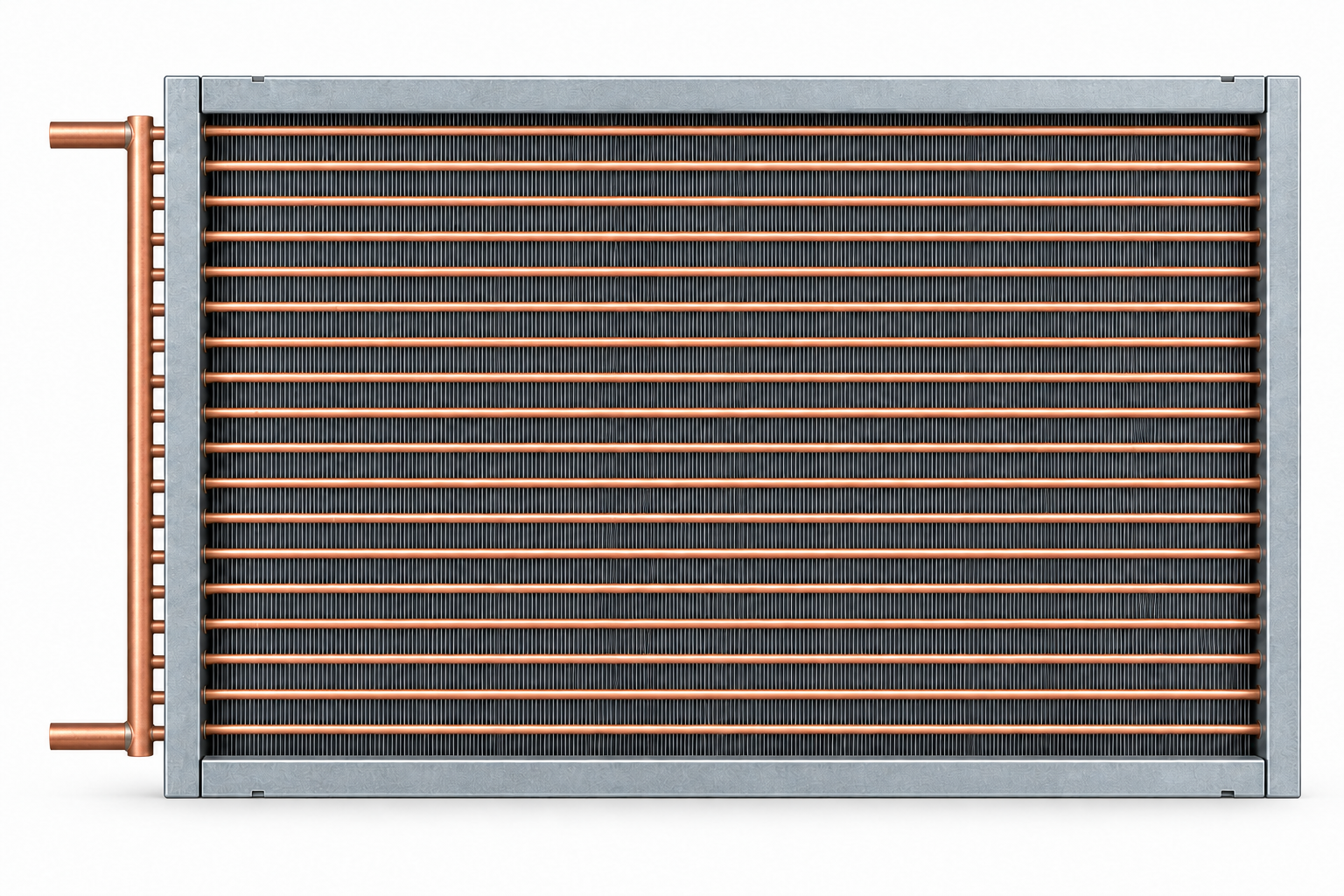
What does a hot gas reheat coil do?
A hot gas reheat coil warms air after a cooling coil has removed moisture. It uses heat from hot refrigerant in the refrigeration circuit to raise the temperature of the cooled air before it is supplied to the space. This helps the system manage humidity without delivering air that is colder than needed.
Moisture is removed at the cooling coil; the reheat coil raises the air temperature without adding moisture. Refrigerant flows inside the reheat tubes while air passes between the fins. The illustration shows one possible construction, with connection and circuit arrangements confirmed for the equipment.

Coil selection
What matters when selecting a hot gas reheat coil?
The right reheat coil depends on the required supply-air temperature, airflow, refrigerant circuit, and installation requirements.
| What to consider | Why it matters |
|---|---|
| Reheat duty | Required supply-air temperature after cooling and moisture removal |
| Airflow and pressure drop | Available airflow, fan capability, rows, and fin spacing |
| Refrigerant and circuiting | System refrigerant, circuit arrangement, and connection requirements |
| Materials and environment | Material compatibility, exposure, and coil protection |
| Fit and installation access | Casing dimensions, mounting, connections, and removal space |
Replacing an existing coil? Start with its measurements or drawing.
Operating data is not required to begin a measurement-based replacement request. Refrigerant and circuit details still need to be confirmed.
Materials and construction
Explore materials for your hot gas reheat coil.
Relative upfront cost: $ lower · $$ moderate · $$$ higher
Fin materials

Aluminum
Relative upfront cost: 1 of 3.

Copper
Relative upfront cost: 2 of 3.
Tube materials
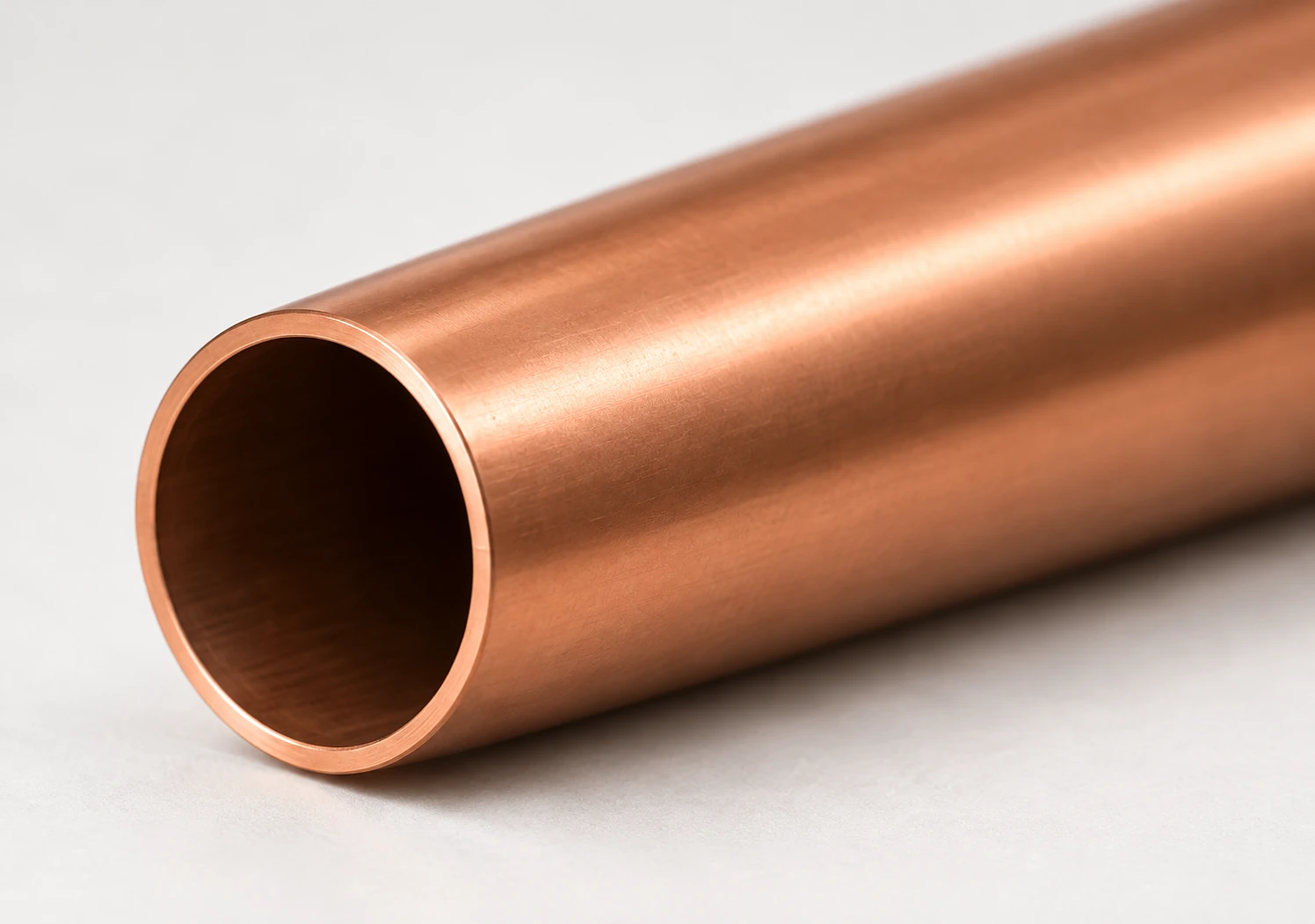
Copper
Relative upfront cost: 1 of 3.
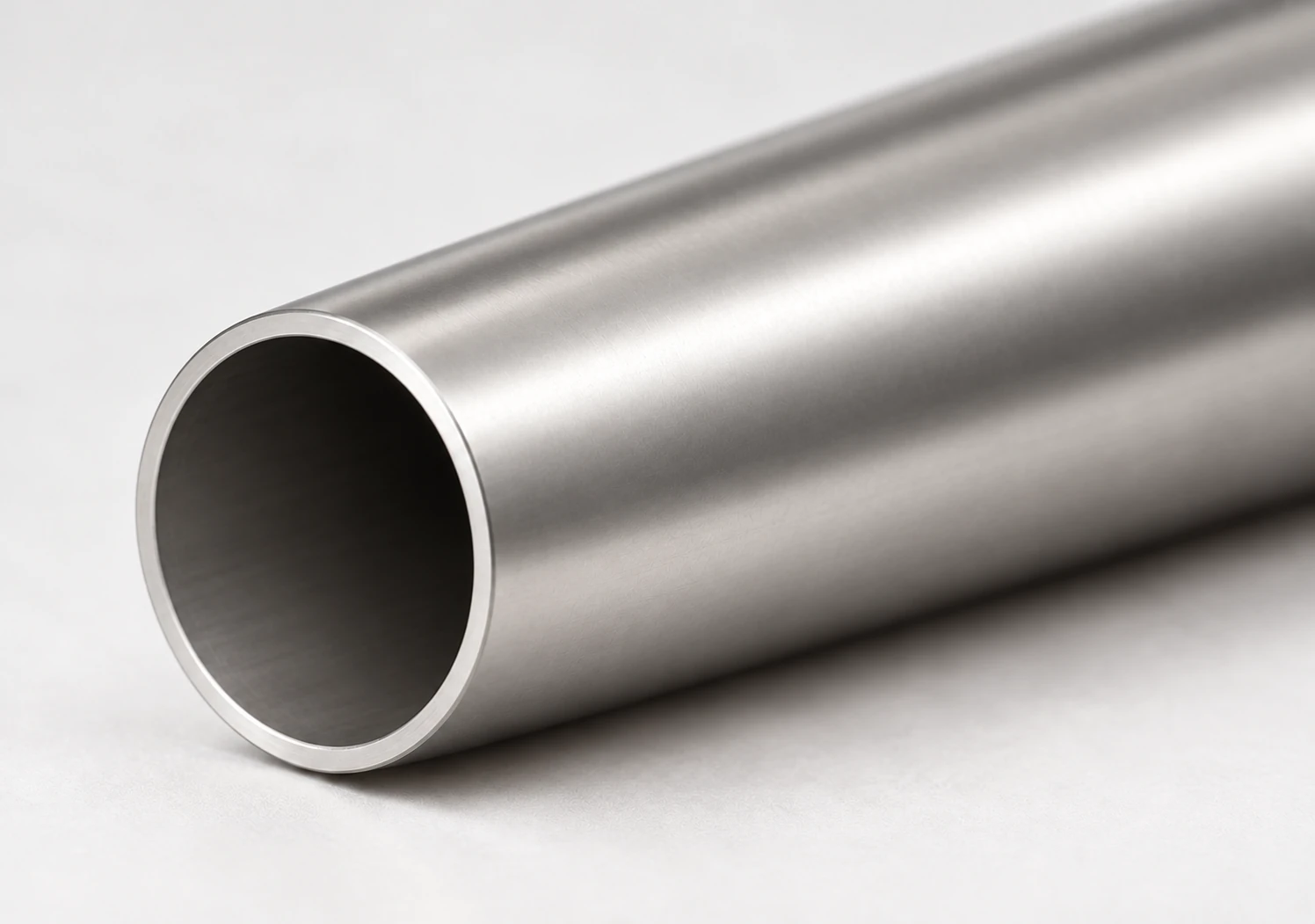
Stainless steel
Relative upfront cost: 2 of 3.
Relative material cost. Final pricing depends on coil specifications.

Casing
The formed frame supports and protects the coil. Galvanized steel and stainless steel casing options are reviewed against the application and approved drawing.
The illustration shows copper tubes and aluminum fins. Final materials, connections and construction are confirmed through the approved drawing.
Refrigerants for commercial HVAC
Your system’s refrigerant helps determine the coil’s materials, pressure requirements, and design.
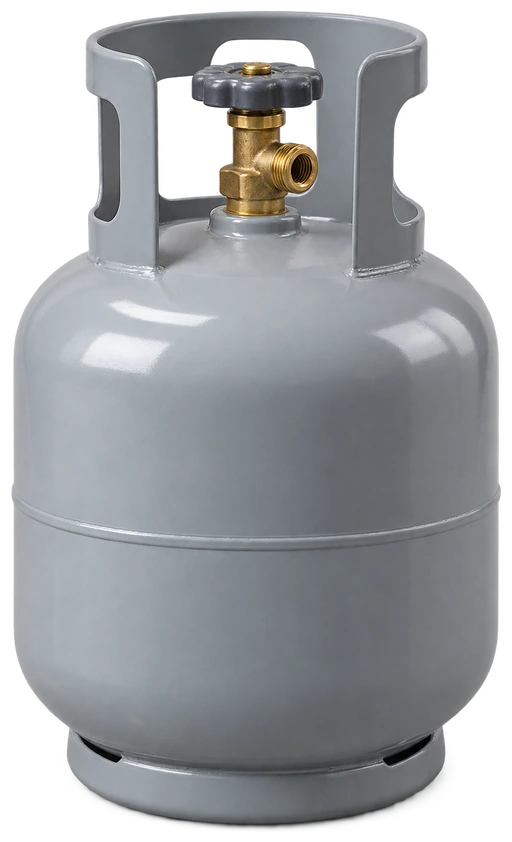
R-410A
Used in many existing HVAC systems.
R-32
Used in newer HVAC equipment.
R-454B
Used in newer HVAC equipment.
Examples shown. Refrigerants vary by equipment and application.
Specify your system’s refrigerant in your Coil Brief. Each coil is designed for its stated refrigerant and operating conditions.
Replacement and order details
OEM replacements
Discontinued or unknown model? Start with measurements or a drawing.
Independent aftermarket replacements. Rowform is not affiliated with or endorsed by these brands.
Coil protection
Nano Coating, E-Coating, and optional hydrophilic fin treatment.
Production and delivery
Your quote separates manufacturing and transit estimates.
12-month limited warranty
Coverage begins at documented delivery.
Review your drawing before production.
Check the proposed dimensions, connection locations, materials, construction, and any selected coating on the engineering drawing before approving it. Contact Rowform about discrepancies before approval.
Submitting a Coil Brief does not place an order or require payment. Coil Record keeps your project documents and order updates together.
Start a Coil Brief